
What Are Anthocyanins and What Fruits Contain Them?
Anthocyanins are natural plant pigments responsible for the red, purple, and blue colours found in many fruits and vegetables. They belong to a group of plant compounds known as flavonoids, which are widely studied for their antioxidant properties.
These pigments are commonly found in fruits such as açaí berries, blueberries, blackberries, cherries, raspberries, red grapes, plums, blackcurrants, elderberries, and cranberries.
Scientific research suggests that diets rich in anthocyanin-containing foods may be associated with certain health markers, including cardiovascular support and vascular function. However, results vary between studies, and the overall evidence remains inconclusive in many areas of human health research.
Because of this, anthocyanin-rich foods should be viewed as part of a balanced diet rather than a treatment or cure for disease.
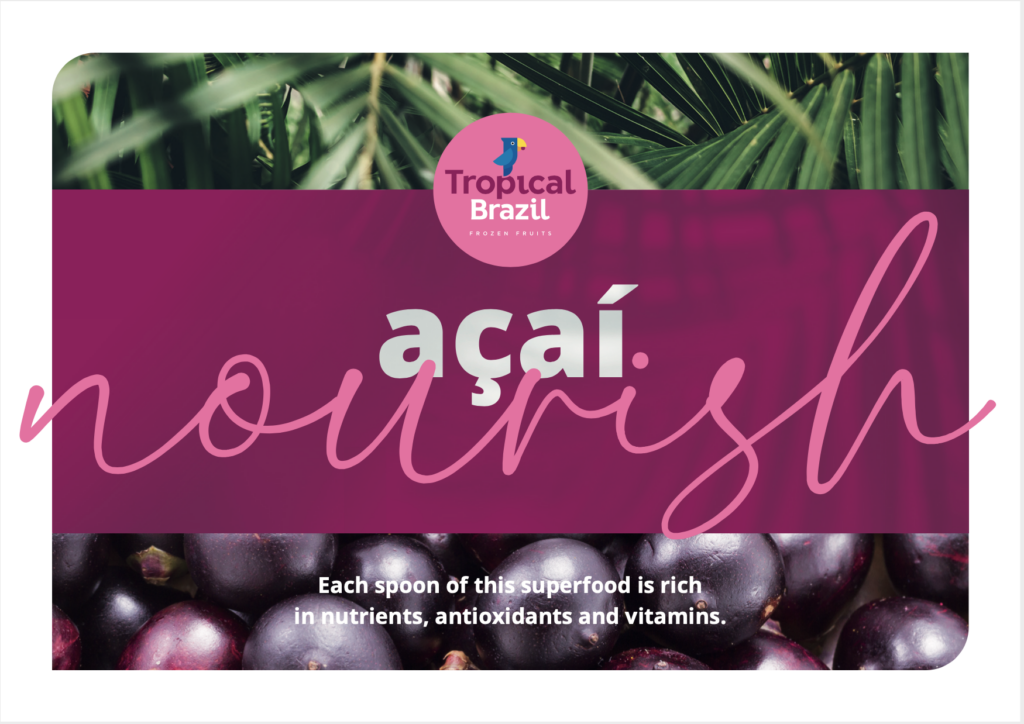
Improve your Menu with 4 vegan recipes!
Açaí Nourish - mini eBook
This mini ebook was also created with inspiration from the flavors of the Amazon, but now we have separated 4 totally vegan recipes that are highly refreshing, nutritious, and loaded with antioxidants.
Each spoon of this superfood is rich in nutrients, antioxidants and vitamins.
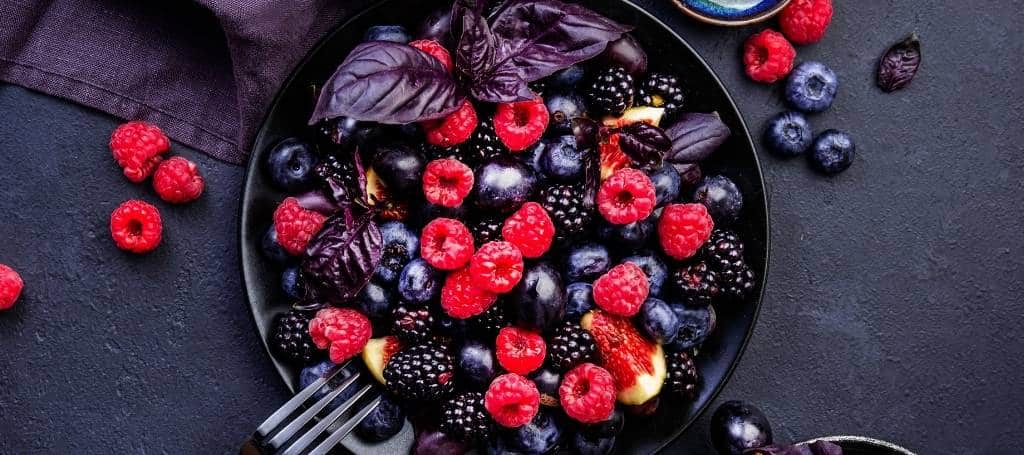
What Fruits Have Anthocyanins?
If you’re looking to boost your intake of anthocyanins, you’re in luck—many delicious and accessible fruits are rich in these powerful compounds. Here are some of the top fruits that are high in anthocyanins:
1. Açaí Berries
Açaí berries are often considered one of the fruits with the highest concentration of anthocyanins. Their deep purple colour is a strong indicator of their polyphenol content.
Traditionally consumed in the Amazon region of Brazil, açaí has become popular worldwide in smoothie bowls, frozen pulp, and nutritional products.
Some research suggests that the polyphenols present in açaí may contribute to antioxidant activity in the body, although more human clinical studies are still needed.
[wpsl template=”below_map” map_type=”roadmap” auto_locate=”true” start_marker=”purple” store_marker=”blue” category_selection=””]
2. Blueberries
Blueberries are among the most studied sources of anthocyanins. Their characteristic blue colour comes from these pigments concentrated in the skin of the fruit.
Several nutritional studies have examined blueberries for potential associations with cardiovascular health markers and cognitive performance, although results vary and more controlled research is required.
Blueberries are easy to include in everyday meals, such as:
smoothies
yogurt
breakfast cereals
salads
baked goods
3. Blackberries
Blackberries contain significant levels of anthocyanins, giving them their dark purple colour.
These berries are also a source of:
dietary fibre
vitamin C
polyphenols
Research suggests that blackberry consumption may contribute to overall antioxidant intake, which is associated with protection against oxidative stress in the body.
4. Cherries
Raspberries, especially black raspberries, contain notable amounts of anthocyanins.
In addition to these pigments, raspberries provide:
fibre
vitamin C
ellagic acid
These compounds are frequently studied in nutrition science for their antioxidant properties.
5. Raspberries
Raspberries, particularly black raspberries, contain significant amounts of anthocyanins.
These berries are also a source of fibre, vitamin C, and other plant compounds commonly studied for their antioxidant properties.
Tropical Brazil store on Fresho
Discover the platform and purchase our products on the Marketplace.

Marketplace: https://fresho.com/suppliers/tropical-brazil
6. Red Grapes
Anthocyanins are concentrated in the skin of red and purple grapes, which is why darker grapes generally contain more of these pigments.
Grapes are often included in dietary patterns associated with higher intake of polyphenols.
They can be consumed as:
fresh fruit
juice
part of salads or cheese platters
7. Plums
Plums and their dried form, prunes, contain anthocyanins primarily in their skin.
They are also a source of dietary fibre and other plant compounds that contribute to the overall nutritional profile of the fruit.
8. Blackcurrants
Blackcurrants are particularly rich in anthocyanins, giving them an intense purple colour.
They are widely used in:
juices
jams
syrups
nutritional beverages
Some studies have explored their potential effects on vascular and eye health, although evidence remains limited.
9. Elderberries
Elderberries contain a high concentration of anthocyanins and have been traditionally used in syrups and teas.
Scientific interest in elderberries has increased due to their polyphenol content and antioxidant capacity, but more well-controlled clinical studies are needed to confirm potential health effects.
10. Cranberries
Cranberries contain anthocyanins along with other polyphenols such as proanthocyanidins.
These compounds have been studied for their potential association with urinary tract health, although cranberries should not be considered a substitute for medical treatment.
Cranberries are commonly consumed as:
juice
dried fruit
sauces
smoothie ingredients
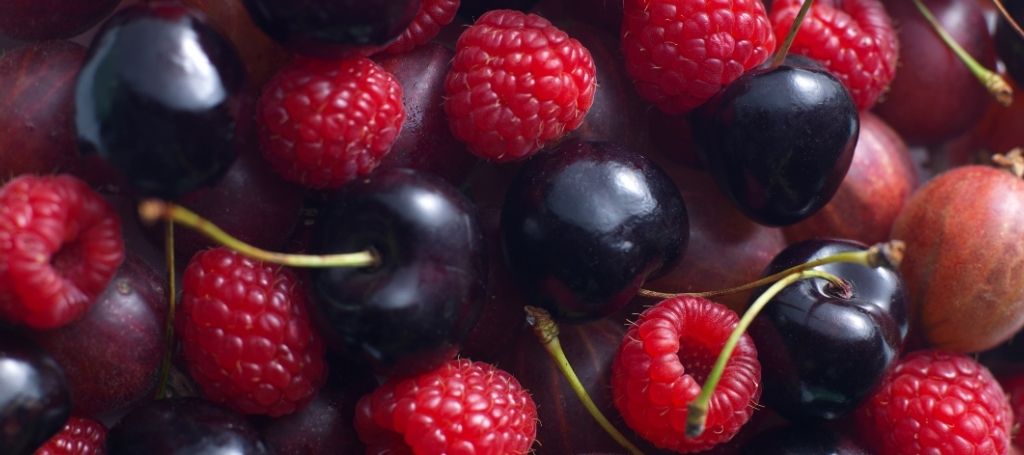
How to Incorporate Anthocyanin-Rich Fruits into Your Diet
Adding fruits rich in anthocyanins to your daily diet is easy and delicious. Here are a few ideas:
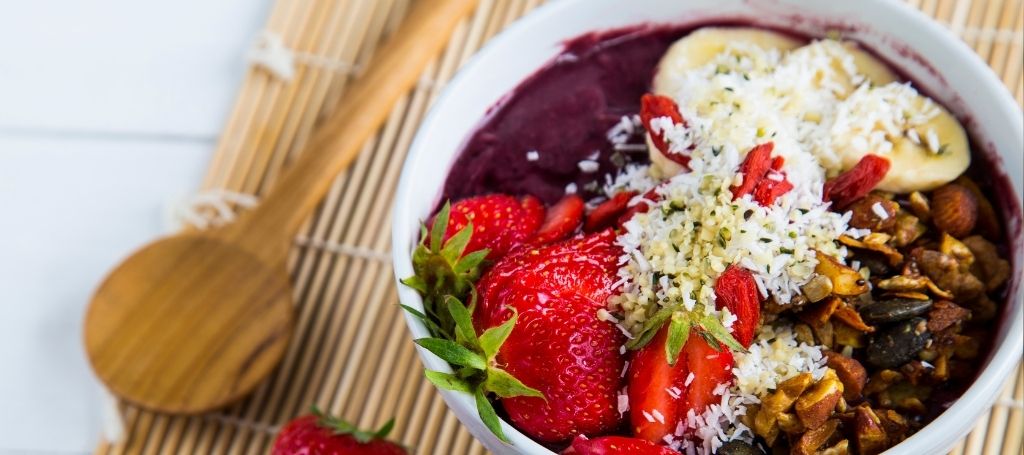
- Smoothies: Blend açaí, blueberries, or blackberries with other fruits for a nutrient-packed smoothie.
- Salads: Toss grapes or plums into a salad for a pop of colour and added antioxidants.
- Snacks: Keep fresh cherries or açaí bowls on hand as a healthy post-workout snack.
- Baked Goods: Add raspberries, blueberries, or blackberries to muffins, pancakes, or oatmeal for a sweet antioxidant boost.
Scientific References
Cassidy A. et al. (2013).
High anthocyanin intake is associated with a reduced risk of myocardial infarction in young and middle-aged women.
Journal of Nutrition.
https://doi.org/10.3945/jn.111.155028
Wallace TC, Giusti MM (2015).
Anthocyanins.
Advances in Nutrition.
https://doi.org/10.3945/an.114.007385
Khoo HE et al. (2017).
Anthocyanidins and Anthocyanins: Colored Pigments as Food, Pharmaceutical Ingredients, and Potential Health Benefits.
Frontiers in Nutrition.
https://doi.org/10.3389/fnut.2017.00038
Jennings A. et al. (2012).
Anthocyanins, flavonoids and cardiovascular disease risk.
American Journal of Clinical Nutrition.
FAQ - frequently asked questions about anthocyanins
As usual – What are anthocyanins?
Anthocyanins are natural plant pigments belonging to the flavonoid family that give fruits and vegetables their red, purple, and blue colours.
Which fruits contain the most anthocyanins?
Common anthocyanin-rich fruits include açaí berries, blueberries, blackberries, cherries, raspberries, grapes, plums, elderberries, cranberries, and blackcurrants.
Are anthocyanins antioxidants?
Yes. Anthocyanins are considered antioxidant compounds and are widely studied for their potential role in reducing oxidative stress.
Are anthocyanins proven to improve health?
Some studies suggest associations with cardiovascular and cognitive health markers, but research results vary and more clinical evidence is still needed.
How can I add anthocyanin-rich foods to my diet?
You can add berries to smoothies, yogurt, salads, oatmeal, or baked goods, or enjoy fruits like grapes and cherries as snacks.
Looking for high-quality açaí for your business?
Wanna sell Acai?
Register as B2B and start to sell now.